General Contractor: Your Leading Professional for Home Work
A general contractor executes an important role in residential undertakings. They coordinate numerous aspects of construction, making sure that work advances smoothly. Their proficiency in building codes and regulations enables them to navigate the complexities of permits and inspections. This skilled professional acts as an important connection between clients and trade specialists. Yet, many homeowners remain uncertain about the entire scope of their services. Understanding these details can have a major impact on the success of any renovation undertaking.
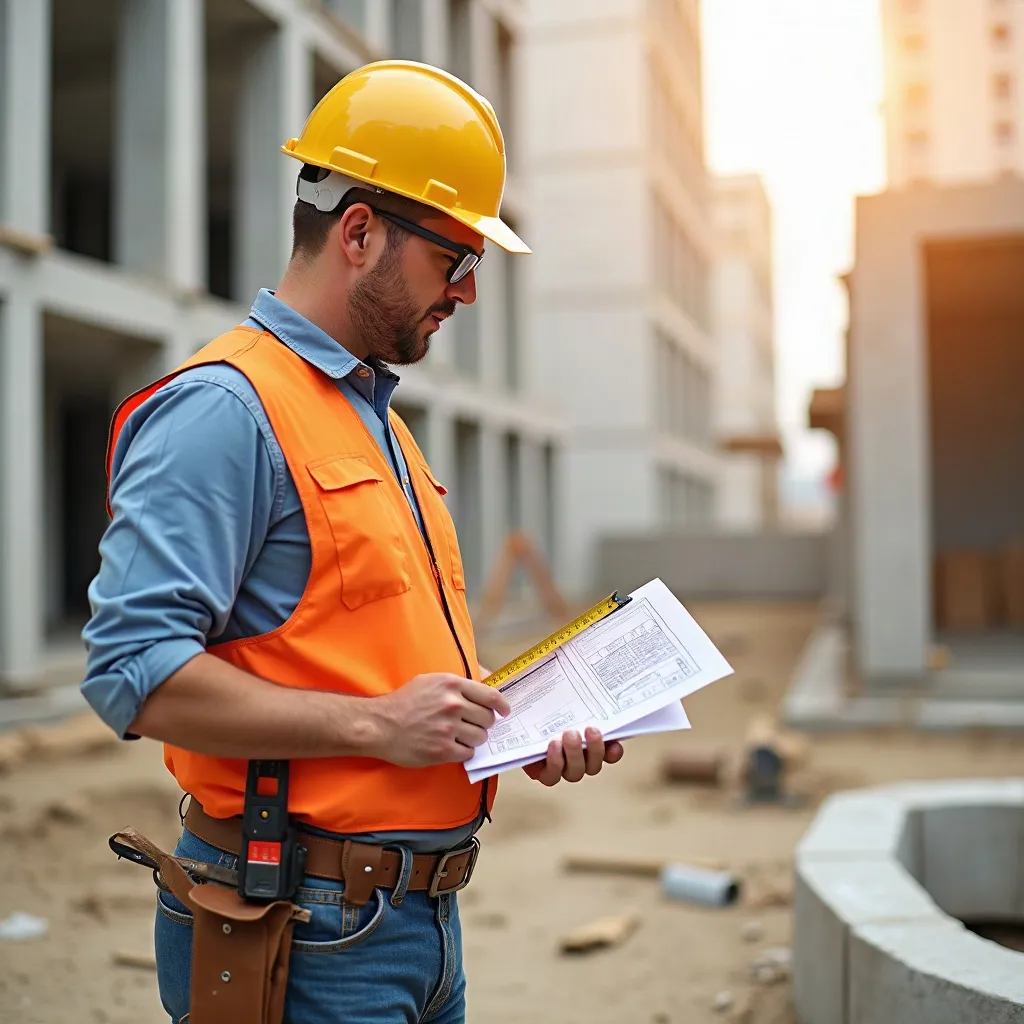
What Is the Role of a General Contractor Do?
A general contractor orchestrates the diverse facets of a structural project, ensuring that all operations flow without issue from start to finish. They serve as the primary point of contact, managing communication between stakeholders, subcontractors, and distributors. This role involves planning the construction calendar, arranging labor, and upholding adherence with local building codes and regulations.
General contractors are in charge of obtaining necessary permits and scheduling inspections, which are vital for upholding safety and quality benchmarks. They also handle budgeting, sourcing materials, and managing on-site activities to mitigate any potential delays or issues. In addition, they supervise subcontractors, ensuring that each phase of construction conforms to project specifications and timelines. Overall, a general contractor's expertise and organizational skills are crucial for delivering a successful construction project, turning a client's vision into reality while managing multiple duties and obligations.
Benefits of Retaining a General Contractor for Home Renovations
Hiring a general contractor for residential remodeling provides many benefits that can greatly enhance the efficiency and quality of the project. General contractors possess knowledge in project management, making sure deadlines are achieved and funds are distributed effectively. Their strong connections with subcontractors can result in improved rates and superior workmanship, which eventually helps property owners both money and time.
Additionally, general contractors manage the intricate details of permits and inspections, minimizing likely regulatory complications. They also provide a centralized coordinator, streamlining communication and coordination among assorted contractors. This streamlining diminishes the likelihood of miscommunications and interruptions.
Moreover, their background permits them to predict upcoming obstacles, enabling prompt resolutions to keep the project on track. By hiring a general contractor, homeowners can focus on their vision while enjoying peace of mind, knowing that a professional is overseeing every aspect of the renovation.
Refuting Common Myths About Construction Contractors
Although many property owners may have misunderstandings about contracting professionals, grasping the facts can lead to more informed decisions. A widespread myth is that hiring a contractor is not essential for small projects; still, their expertise can streamline even small-scale renovations, ensuring compliance with local codes. Another typical belief is that general contractors are just middlemen, but they often have comprehensive knowledge in different fields, allowing them to manage projects smoothly. Moreover, some homeowners assume that working with a contractor will significantly increase costs. In reality, a experienced general contractor can often obtain better pricing for materials and labor through established relationships with vendors and subcontractors. Lastly, many think that general contractors are inflexible, but trusted contractors focus on client communication and work closely to satisfy particular needs. Dispelling myths can empower homeowners to harness the actual value of general contractors when completing successful home projects.
Identifying the Best General Contractor?
How can property owners guarantee they select the best general contractor for their projects? The process starts with comprehensive investigation. Homeowners should obtain suggestions from friends, family, and online reviews to identify potential candidates. Once a list is created, verifying qualifications, such as licensing, insurance, and bonding, is essential to confirm credibility.
Next, property owners should ask for and examine collections of past projects, concentrating on projects similar in scope. Setting up interviews allows property owners to gauge compatibility, discussing timelines, budgets, and expectations. It's also advisable to get several estimates for comparison, offering a better grasp of costs.
Examining references provides insight into a contractor's competence and integrity. Finally, relying on your gut feeling is essential; an opening discussion can expose a contractor's communication style and approach. By adhering to these guidelines, homeowners can markedly increase their chances of selecting a general contractor who matches their objectives and goals.
Powerful Messaging Tactics For Working Alongside Your General Contractor
What strategies can homeowners employ to secure clear exchanges with their general contractor? Creating direct communication from the start is necessary. Homeowners should clearly articulate their expectations, project goals, and financial limits during opening conversations. Ongoing reports can be supported through planned discussions, making certain that both parties remain aligned throughout the project.
Written documentation, including emails or project logs, serves to strengthen spoken understandings and minimizes miscommunications. Homeowners should also promote open dialogue by requesting feedback and questions from the contractor, fostering a cooperative atmosphere.
In addition, tapping into technology, like project management apps, can improve communication by supplying a centralized interface for communicating updates, timelines, and changes. Finally, being considerate and welcoming can enhance camaraderie, allowing it less difficult for the contractor to voice challenges or suggestions in an effective manner. By applying these solutions, homeowners can create a productive and forthright relationship with their general contractor.
What Lies Ahead When Your Project Commences?
Once the initiative kicks off, homeowners can prepare for a flurry of operations on-site. The prime contractor will direct crews of qualified professionals, such as electricians, plumbers, and carpenters, who will commence their duties following the predetermined plan. Homeowners may see construction equipment and supplies being moved in, establishing a bustling environment.
Communication remains vital during this stage. The contractor will provide updates on advancement and address any concerns that occur. Homeowners should prepare for possible disruptions, such as sound and restricted access to certain areas of the home.
Safety safeguards will be in place to defend both workers and residents, confirming a secure environment. Additionally, homeowners may be advised to maintain flexibility, as unexpected circumstances can arise, compelling adjustments to the original plan. Overall, this initial phase creates the conditions for the successful completion of the project, and active commitment is essential.
Key Topics for Your General Contractor Arrangement?
Identifying the correct inquiries to pose when finalizing a general contractor agreement is essential for guaranteeing a smooth project. Homeowners should ask about the contractor's license and coverage to verify their credentials and protection against risks. Understanding the project timeline and benchmarks is meaningful; therefore, asking about anticipated completion dates helps control expectations.
It is also critical to set contractual agreements, comprising deposit amounts and payment arrangements, to eliminate misunderstandings. Property buyers should demand a detailed breakdown of costs, covering materials and labor, to confirm visibility. Likewise, examining the framework for addressing revisions or unforeseen issues can forestall tensions subsequently.
In conclusion, homeowners should research information about the qualifications of their subcontractors, as well as the contractor's communication approach throughout the project. By reviewing these points, homeowners can develop a strong relationship with their lead contractor, ultimately achieving a successful home project.
Frequently Requested Questions
What Methods Do General Contractors Use to Charge for Their Services?
General contractors typically charge through set prices, per-hour charges, or essential information a portion of the overall project expense. Their pricing may also encompass supplies, work, and overhead, depending on the project's complexity and scope.
Can a General Contractor Provide Support With Permits and Reviews?
Yes, a construction professional can assist with obtaining permits and managing inspections. They generally navigate local codes and ensure regulatory adherence, simplifying the workflow for homeowners while facilitating necessary authorizations throughout the building endeavor.
What Experience Should I Evaluate in a General Contractor?
When selecting a general contractor, one should evaluate qualifications such as proper licensing, insurance, expertise with similar work, solid recommendations, and effective communication skills, guaranteeing they have the required knowledge to manage the project successfully.
What is the Timeline of a Average Home Renovation Undertaking?
A conventional home renovation project can take anywhere from a few weeks to several months, determined by the range, intricacy, and size of the project, as well as the availability of materials and labor.
What Happens if My Undertaking Exceeds Financial Limits?
If a project goes over budget, the contractor usually talks through the reasons and options with the homeowner. Changes may include scaling back, obtaining more funds, or revising the project scope to align with financial limits.